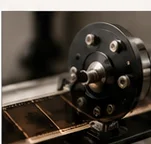
Drum Scanning
A high-detail option suited to select film originals, demanding enlargements, and reproduction work where maximum information is important.
Learn more
Search
Beyond Photographic
Preserve, protect, and rediscover photographic originals through a scanning workflow matched to the material and intended use.
Service overview
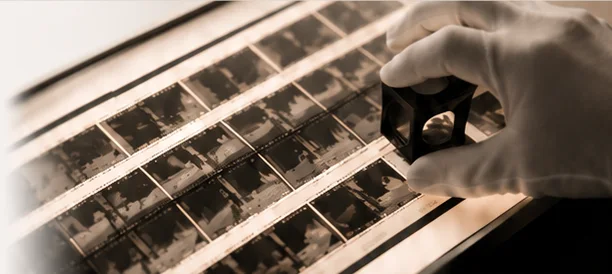
Scanning choices should reflect the original format, condition, required detail, and final purpose. We help identify an appropriate path for family archives, creative projects, and professional image collections.
A scanning approach selected around the original and the level of detail required.
Originals are assessed and handled with attention to material condition.
Files are reviewed for clarity, orientation, and project requirements.
Digital files are organized for access, sharing, printing, or archiving.
Available services
Different originals call for different equipment and handling. These service paths help frame the conversation.
A high-detail option suited to select film originals, demanding enlargements, and reproduction work where maximum information is important.
Learn more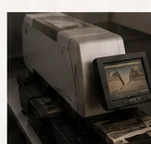
An efficient film scanning path for strips, rolls, and archive batches that need consistent, useful digital files.
Learn more
A flexible option for prints, documents, contact sheets, and other flat photographic materials.
Learn moreMatch the capture method to the original and final output.
Organize files with repeatable naming and delivery choices.
Use digital access copies while keeping originals protected.
Create files suitable for sharing, printing, and creative work.
Project fit
From idea to handoff
Package the materials carefully and include relevant project notes.
Review format, condition, quantity, and intended use.
Capture the originals with the agreed equipment and settings.
Check orientation, consistency, and delivery requirements.
Provide digital files and return originals according to the project plan.
Common negatives, slides, prints, and flat photographic materials can be reviewed. Contact the studio with the format, size, quantity, and condition for a specific recommendation.
Cleanup needs vary by original and service level. We can discuss basic preparation, automated correction where appropriate, and more involved retouching as separate work.
Keep materials ordered, use clean archival sleeves or protective enclosures where available, and avoid tape or adhesives directly on originals. Ask for guidance before shipping fragile items.
Delivery can be planned around project size and intended use. File format, naming, folder structure, and transfer method should be confirmed before scanning begins.
Some fragile originals can be handled, but condition must be assessed first. The studio may recommend a safer capture approach or decline items that cannot be processed responsibly.
Describe your originals and the files you need. We will help identify a practical scanning approach.